
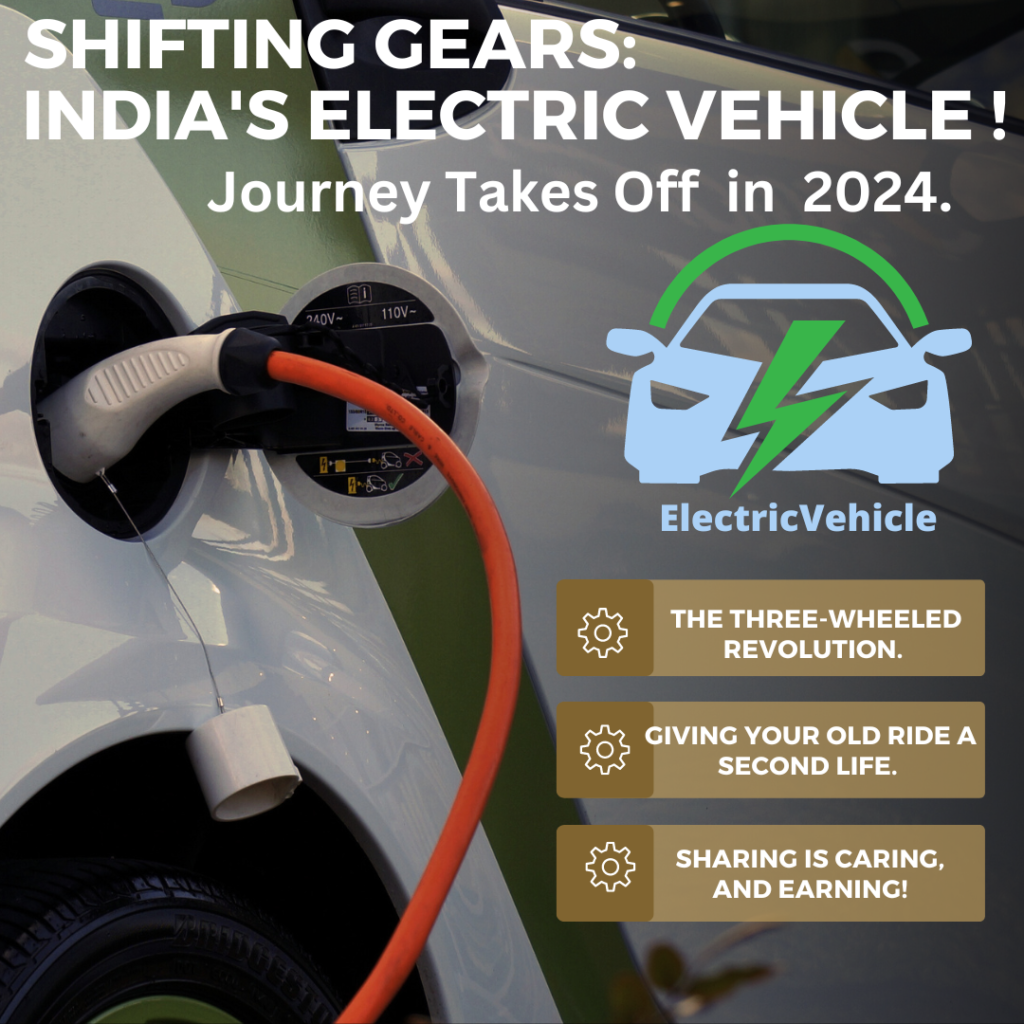
India’s Electric Vehicle Journey
Remember that sputtering start your scooter made this morning? The one that coughed out a plume of smoke that could choke a bull? Well, 2024 might just be the year India says goodbye to those frustrating mornings and hello to a cleaner, quieter commute with electric vehicles (EVs).
Sure, we’ve seen a few electric scooters zipping around for a while now. But this year, experts are predicting a real boom, and it’s not just about personal rides. The big story in 2024 is commercial EVs. Think about it: your friendly neighbourhood chai wallah silently gliding down the street on an electric cart, delivering your morning cuppa with a smile (and no fumes!). Rickshaw drivers, those workhorses of Indian cities, could be offering a clean, breezy ride instead of the usual dusty, noisy experience.
Why the sudden surge in commercial EVs? It’s a win-win for businesses and the environment. Businesses are looking for ways to cut costs on fuel, and EVs offer significant savings there. Plus, with a growing eco-conscious consumer base, businesses that go electric can attract more customers.
Here's what's going to make 2024 a game-changer for Indian EVs:
- The Three-Wheeled Revolution: Keep your eye on the three-wheeler segment, both for passenger and cargo vehicles. These compact powerhouses are perfectly suited for electric power. Imagine zipping through traffic in a clean, quiet auto rickshaw, or businesses making deliveries without adding to pollution. It’s a win for everyone.
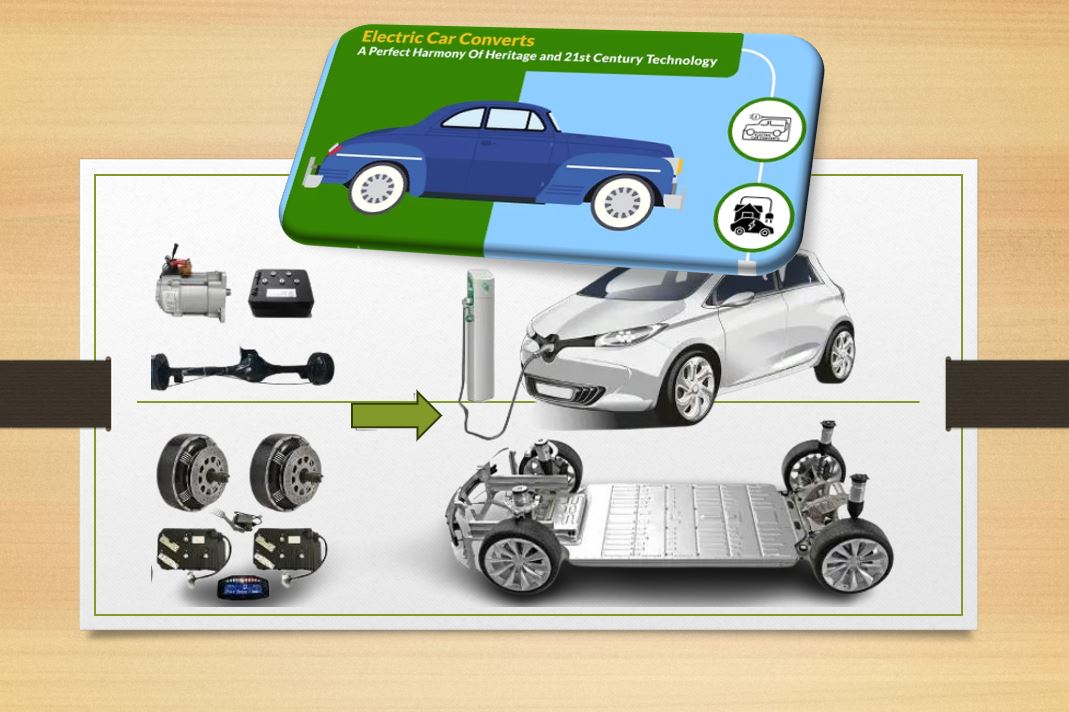
- Giving Your Old Ride a Second Life: Feeling a twinge of guilt about getting rid of your trusty scooter? Don’t fret! Innovative “clip-on” devices are expected to hit the market this year. These essentially retrofit your existing two-wheeler into an EV, without any permanent modifications. Talk about giving your beloved scooter a new lease on life, and a greener one at that!
- Sharing is Caring, and Earning! Subscription-based models for vehicle-to-grid technology are expected to gain traction in 2024. This means your EV can actually feed power back into the grid when it’s not in use. Not only does this help stabilize the electricity grid, but you could potentially earn credits for the power you contribute.
What Are The Obstacles To India's Adoption Of Electric Vehicles?
Although many people may find switching to electric vehicles (EVs) to be profitable, there are several obstacles to overcome. Here are a few of them:
Overall Cost:
The cost of electric vehicles is one of the main obstacles to their adoption in India. When it comes to initial costs, electric vehicles are often more expensive than traditional internal combustion engine (ICE) automobiles. Batteries and electric motors are two examples of EV components that are now more expensive than traditional fuel engines. Due to their increased price, electric vehicles may become less accessible to a large number of potential customers. This expense may also result in comparatively higher expenses for other associated fees, such as four-wheeler insurance for electric cars.
Pricey Battery
The adoption of electric vehicles is still significantly hampered by the expense of batteries. A significant amount of the total cost of an electric car is related to the batteries. Even though their cost has likely decreased over time, batteries are still a substantial outlay of money. The initial cost of electric vehicles is greater due in part to expensive batteries, which makes them out of reach for many people.
lack of standardization
One issue facing the business is the lack of standardization in electric car technologies. Different battery chemistries, charging interfaces, and powertrain designs are used by different manufacturers. The creation of an interoperable charging infrastructure is hampered by this lack of uniformity, which also makes charging more difficult. To guarantee compatibility and simplify the charging process for owners of electric vehicles, standardization activities are required.
Insufficient Clean Energy
If fossil fuels are required to create the power needed to charge electric vehicles, the shift to these vehicles will not be entirely sustainable. The environmental advantages of electric vehicles might be lessened in India, where coal-fired power plants still provide a sizable amount of the country’s electricity. To guarantee a cleaner and greener transportation system, a greater emphasis on renewable energy sources must go hand in hand with the mass use of electric vehicles.
Infrastructure for Charging
For electric cars to be widely used, a reliable charging infrastructure must be available. Nonetheless, India currently has a comparatively small and undeveloped infrastructure for charging devices. For electric vehicle (EV) users, high charging periods and a lack of charging stations present difficulties that might cause range anxiety and annoyance. Creating a vast and dependable network of charging stations is essential to motivating more people to convert to electric cars.
Putting Extremities Ahead
India has harsh weather all year round, with scorching summers and chilly winters that can compromise the range and efficiency of electric cars. Elevated temperatures may result in battery deterioration and lower the overall efficiency of electric vehicles. In a similar vein, low temperatures can affect battery life and shorten range. For electric vehicles to be successfully adopted in India, it is imperative that technologies be developed that can survive and operate at their best in adverse weather conditions.
- You might be interested reading this post as well:
- Small Refrigerators under ₹10,000: the most adaptable versions ever made
Please visit below all links
- https://www.myeva.org/
- https://www.smev.in/
- https://e-vehicleinfo.com/
- https://evreporter.com/magazines/
- https://allindiaev.com/
Its very nice article about EV and current seniro
of Electric vehicle in India
Very well written about the EV. Keep writing.
Very well written article. Do read and get all the queries cleared through this article about EV.
Its valuable article in the EV field and complete descriptions about EV and government EV policies as wel as the current status of india EV